

AZERBAIJAN
The Land Of Fire
Azerbaijan sits at the enchanting crossroads of Europe and Asia, where diverse cultures meet, mingle, and thrive. Its heritage is a rich tapestry of European, Middle Eastern, Central Asian, and Turkic influences, while its landscapes are equally extraordinary, from the fire-kissed mountains that gave the country its name, to the vast Caspian coastline, serene alpine valleys, and otherworldly mud volcanoes. Ancient traditions live alongside modern cities, creating a rhythm that is uniquely Azerbaijani.
This is a land to be discovered with curiosity and an open heart. Meaning is found in the smallest moments: sipping tea with locals in a quiet mountain village, marveling at the flickering flames of a fire temple, wandering through the cobbled streets of Baku’s Old City, or watching the Caucasus mountains change colour with the light. Azerbaijan reveals itself gradually, leaving travellers with a lasting sense of wonder, connection, and discovery.
At NOAVA Resor, we believe Azerbaijan deserves to be experienced authentically and thoughtfully. We take the time to understand your travel style, your pace, your passions, and what inspires you most. We craft journeys that go beyond the familiar, offering genuine encounters, cultural richness, and a natural flow that allows the destination to be truly felt.
This is Azerbaijan as it should be experienced personal, immersive, and deeply memorable, designed entirely around you.
Best time to travel
April to June & September to October
Recommended Travel Duration
From 6 Days
Flight times
Approx. 7 hours 45 minutes to 9 hours from Stockholm Arlanda Airport (ARN) to Baku’s Heydar Aliyev International Airport (GYD)
John Deo
Email: johndeo@example.com
Phone: +1 234 5678 900
IMPORTANT DETAILS TO KNOW BEFORE YOU TRAVEL
Is Azerbaijan located in Europe or Asia?
Azerbaijan sits at the crossroads of Eastern Europe and Western Asia. While geographically part of the Caucasus region, culturally it blends European, Middle Eastern, and Central Asian influences, making it a unique destination that feels familiar yet distinctly different for European travelers.
How do cash payments and banking work for tourists in Azerbaijan?
- Currency: Azerbaijani Manat (AZN)
- Money exchange: Money exchange services are widely available at Baku International Airport, banks, hotels, and licensed exchange offices in major cities.
- Card payments: Credit and debit cards are commonly accepted in Baku and other large cities, especially in hotels, restaurants, and shopping centers.
- ATMs: Readily available in cities and tourist areas, making cash withdrawal easy
- Villages & rural areas: However, when traveling to villages, mountain regions, or remote areas, card payments are often not accepted, so carrying sufficient cash is essential.
Season in Azerbaijan?
Azerbaijan is a year-round destination, each season offering something special.
April to June (Spring) – Spring, from April to June, brings mild weather and blooming landscapes, perfect for mountain hikes, village visits, and cultural exploration.
September to October (Autumn) – Autumn, from September to October, offers warm days, cool evenings, and stunning fall colors across the countryside and mountains.
July to August (Summer) – Summer, from July to August, is ideal for highland retreats and coastal escapes,
December to February (Winter) – while winter, from December to February, turns the mountains into a snowy playground, with skiing and snow adventures at Shahdag and Gabala.
For most travelers, spring and autumn are the sweetest times to experience Azerbaijan’s culture, nature, and hidden gems in comfort.
What is Azerbaijani culture like, and what should visitors know when visiting religious and cultural sites?
Azerbaijan is a secular country with a predominantly Muslim population and a long tradition of religious tolerance. Hospitality is deeply rooted in everyday life, and visitors are often welcomed warmly. When visiting mosques, shrines, or historical and cultural sites, travelers are expected to dress modestly, covering shoulders and knees, and remove shoes where required. Photography may be restricted in certain places, so it is always polite to ask before taking photos.
What are the key etiquette rules and cultural norms to be aware of?
Politeness and respect are highly valued in Azerbaijani society. Greetings are usually warm, with a handshake being common, and elders are treated with particular respect. Accepting tea when offered is considered courteous, as tea plays an important role in social interactions. Public displays of affection should be kept minimal, especially outside major cities, and visitors are advised to avoid sensitive political discussions unless initiated by locals.
What language is spoken in Azerbaijan?
The official language of Azerbaijan is Azerbaijani (Azeri). English is widely spoken in Baku and in areas frequented by tourists, such as hotels and restaurants. However, in smaller towns and rural regions, English is less commonly spoken, so our local expert guide who will accompanying you will bridge any language gaps by sharing the insider knowledge, cultural insights and hidden gems that make the trip truly unforgettable.
How safe is Azerbaijan for travelers, and what health precautions should be considered?
Azerbaijan is generally considered a safe destination for travelers, including families, with low levels of violent crime. As in any destination, standard precautions should be taken in crowded places. Medical facilities are of good standard in Baku but can be limited in rural areas, so comprehensive travel insurance covering medical care is strongly recommended. Travelers are advised to drink bottled water, particularly outside major cities.
How can visitors travel responsibly and respect nature in Azerbaijan?
Azerbaijan offers a remarkable variety of natural landscapes, from the Caspian Sea coastline to mountain ranges and mud volcanoes. Visitors are encouraged to travel responsibly by avoiding littering, respecting protected natural areas, and following local guidelines when exploring rural and ecological sites. Many local communities depend on nature for their livelihoods, and respectful travel helps preserve these environments for future generations.
AZERBAIJAN DESTINATION HIGHLIGHTS
KHINALUG VILLAGE – LIFE ABOVE THE CLOUDS
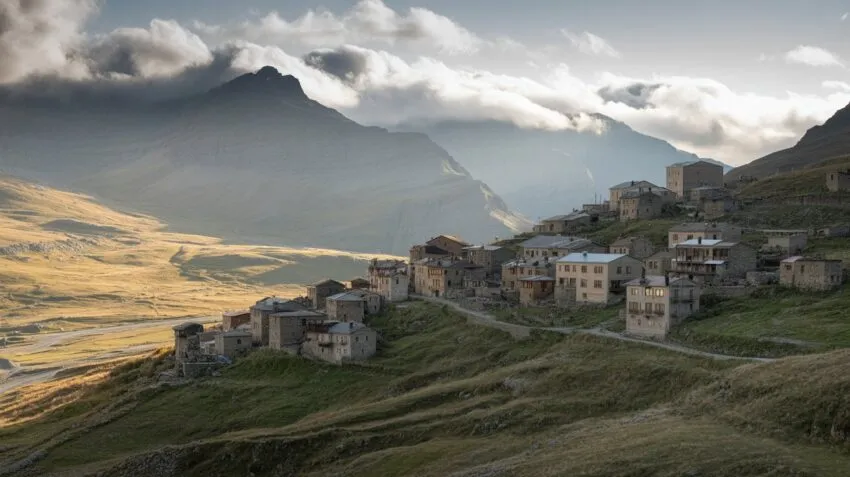
Khinalug Village is over 5,000 years old, making it one of the oldest continuously inhabited settlements in the world. Archaeological evidence shows that the area has been home to humans since at least the 3rd millennium BCE, and the villagers have maintained much of their traditional lifestyle, language, and architecture throughout millennia. The villagers speak their own language, farm using age-old methods, and maintain crafts passed down through generations. From here, the views stretch across rolling mountains and deep valleys, often shrouded in morning mist, turning every sunrise and sunset into a magical experience. Visitors can enjoy tea with local families, explore small workshops, and experience life in a village that has truly stood the test of time.
LAHIJ – THE LIVING CRAFT VILLAGE
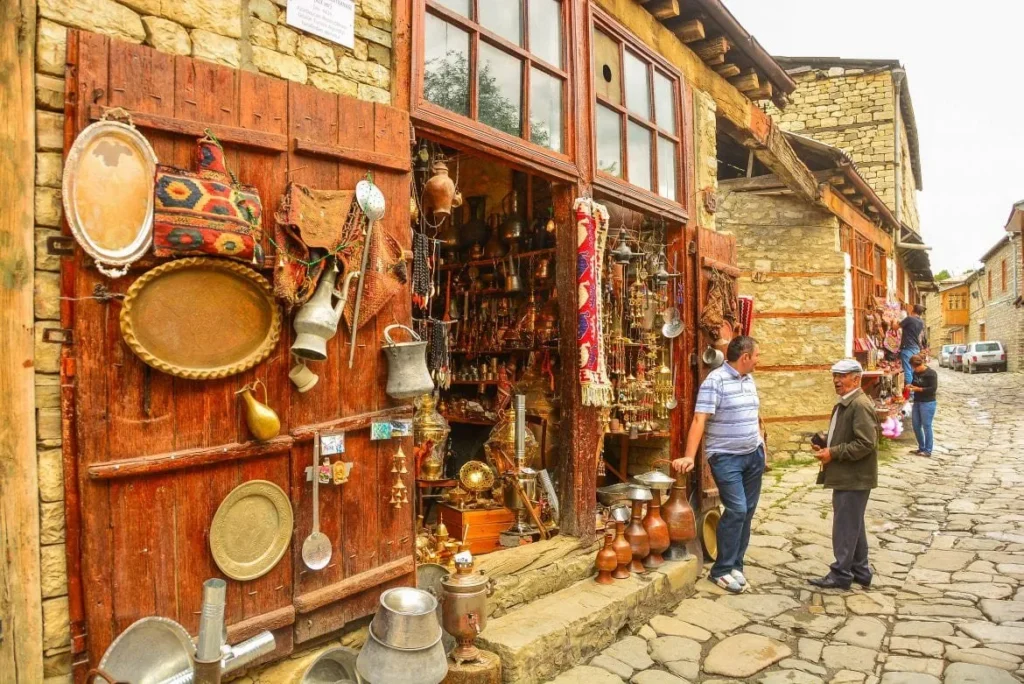
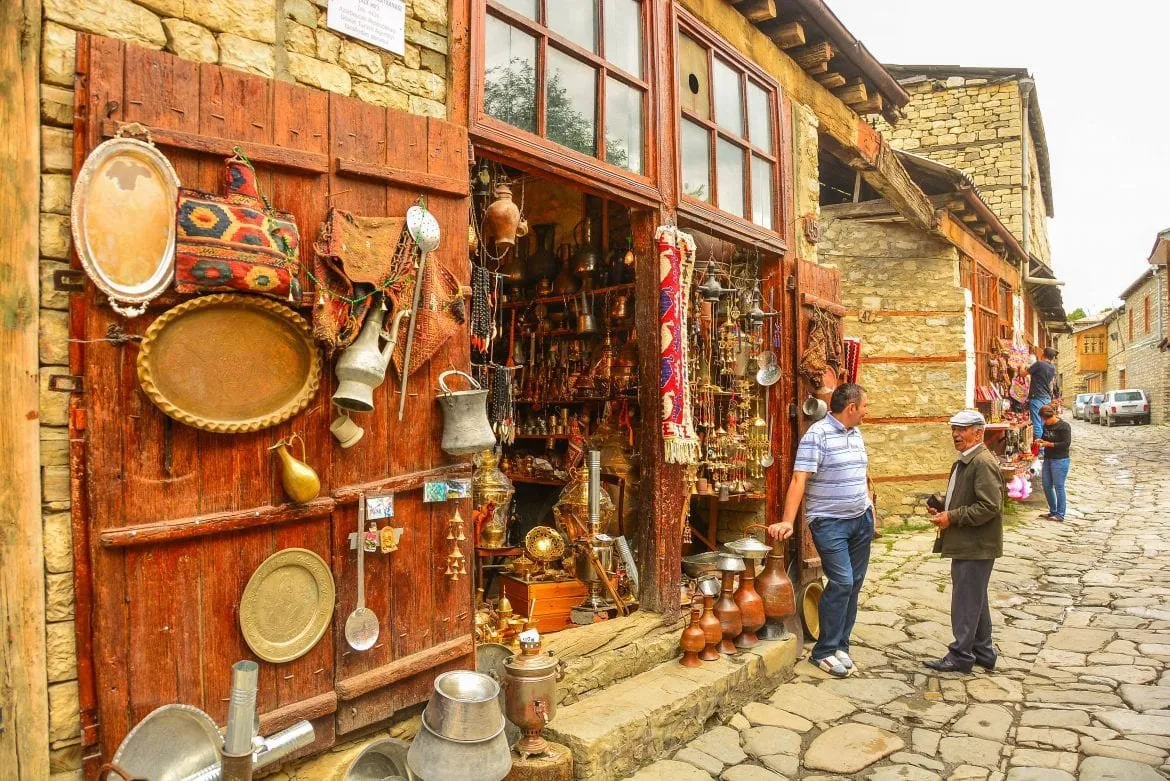
Lahij is a cobbled village famed for its artisan copperwork. Stepping into the village feels like walking into a living museum, where every alleyway hides workshops with the rhythmic hammering of copper. Travelers can watch master artisans shape metal using centuries-old techniques, try their hand at basic engraving under guidance, and enjoy tea in small family homes where stories of the village’s history are shared over fresh pastries. Beyond crafts, the village offers stunning mountain vistas, stone bridges, and a chance to mingle with locals who have preserved a lifestyle rooted in tradition.
GOBUSTAN’S HIDDEN MUD VOLCANOES
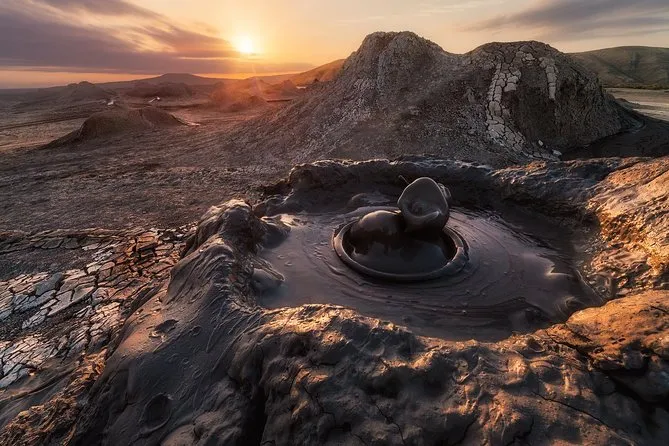
While Gobustan is known for its ancient petroglyphs, just beyond them lie the region’s surreal mud volcanoes. These natural wonders bubble and hiss, creating landscapes that feel almost extraterrestrial. Visitors can walk along designated paths, watching the slow, otherworldly eruptions and the unique formations of mud domes. The area is often quiet and remote, allowing for a deep sense of connection with nature. Combined with the historical carvings nearby, Gobustan offers both a natural and cultural adventure that’s rare anywhere else in the world.
SHEKI – SILK, SWEETS & SHEBEKE ART
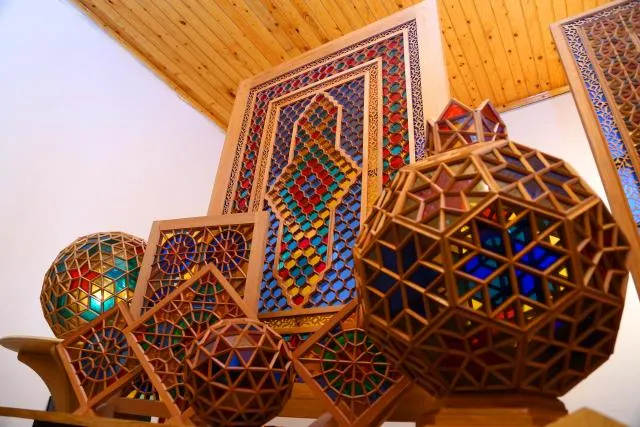
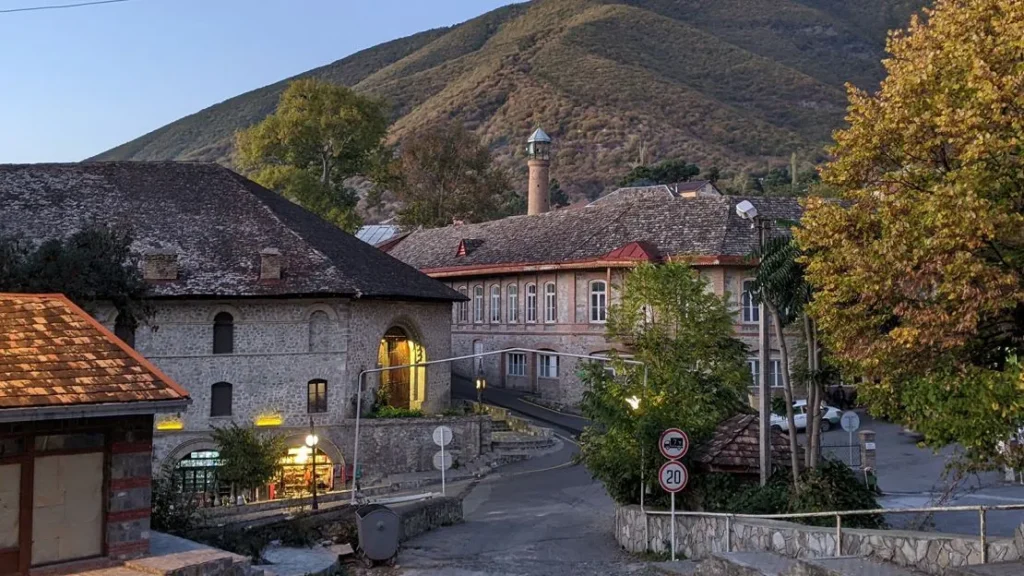
Sheki is a cultural treasure, home to the ornate Khan’s Palace, where sunlight pours through colorful stained-glass windows crafted without nails. The town itself is a labyrinth of cobbled streets lined with traditional houses, workshops, and family-run bakeries offering Sheki halva, a sweet layered dessert. Staying in guesthouses here often includes invitations to share meals with local families, providing authentic insight into daily life. Visitors can also explore workshops where artisans create shebeke, the intricate wooden lattice windows unique to the region, and take home a piece of Sheki’s living art.
BASGAL VILLAGE – SILK ROAD SECRETS
Basgal was once a thriving stop on the Silk Road, and its narrow alleyways still echo with history. The village is famous for producing kelaghayi, traditional Azerbaijani silk scarves, dyed and patterned using centuries-old techniques. Walking through the streets, visitors encounter small workshops, meet local women practicing the craft, and often get a glimpse of authentic domestic life. Basgal invites travelers to slow down, interact with artisans, and gain an understanding of Azerbaijan’s rich heritage away from crowded tourist hubs.
GUBA’S RED SETTLEMENT (QIRMIZI QƏSƏBƏ)
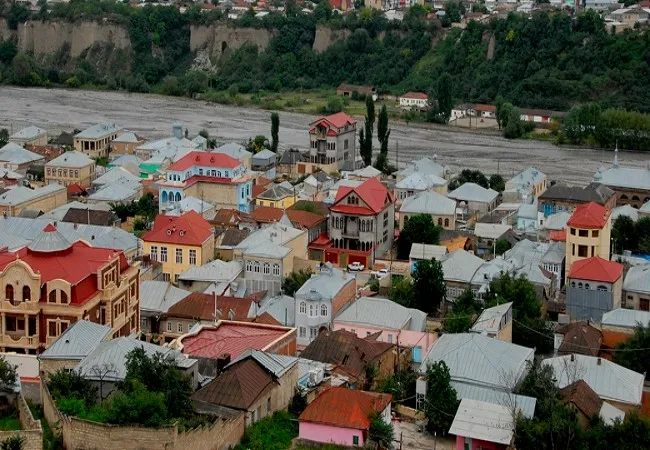
Qırmızı Qəsəbə, or the Red Settlement, is one of the world’s only all-Jewish towns outside Israel. Its wooden houses with red rooftops line quiet streets, and the community maintains traditions, festivals, and rituals that have survived for centuries. Visitors can explore synagogues, meet local families, and learn about the town’s unique history of peaceful coexistence. The settlement provides a rare and intimate cultural experience that combines architecture, storytelling, and human connection in a way few places can.
CASPIAN SEA FISHING VILLAGES
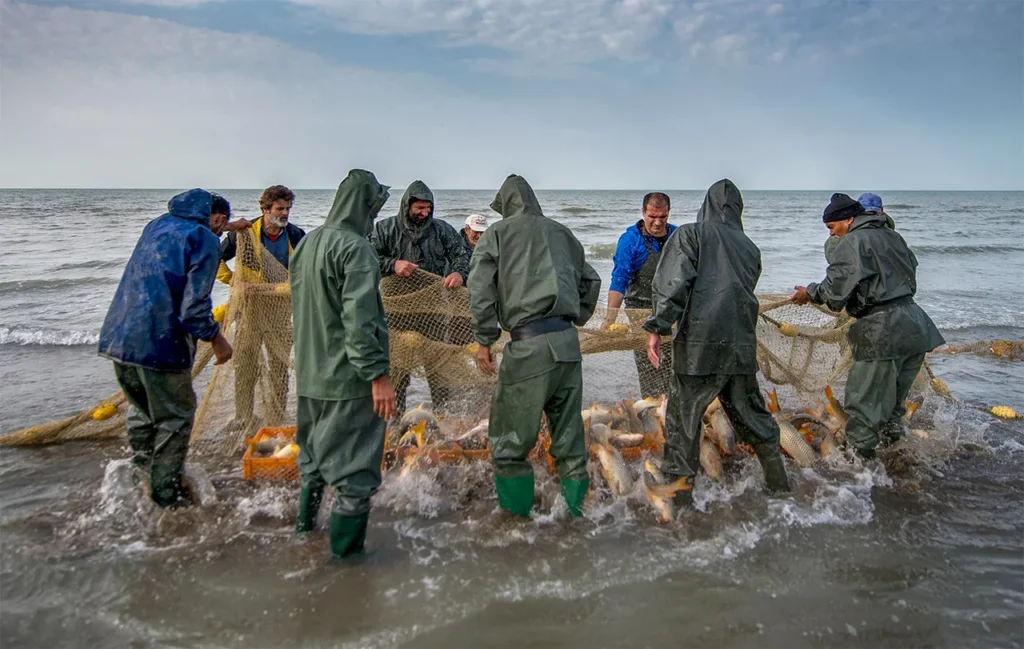
Long the Caspian Sea, small fishing villages offer travelers a glimpse of everyday coastal life. Visitors can walk along the piers with local fishermen, learn how to cast nets, and sample freshly grilled fish right on the shore. The villages have a relaxed, timeless feel, where time slows down and interactions with locals are personal and memorable. Beyond the seafood, the coastline offers serene walks, sunsets over the water, and opportunities to explore small markets, local eateries, and traditional crafts.
VILLAGE LIFE EXPERIENCE
In villages, families can experience life on a working farm, feeding animals, collecting eggs, and seeing daily routines firsthand. Visitors also have the chance to watch how bread is baked in traditional clay ovens, and enjoy relaxed, safe interactions with local families who are happy to share their stories and hospitality.
HANDS-ON FOOD EXPERIENCES
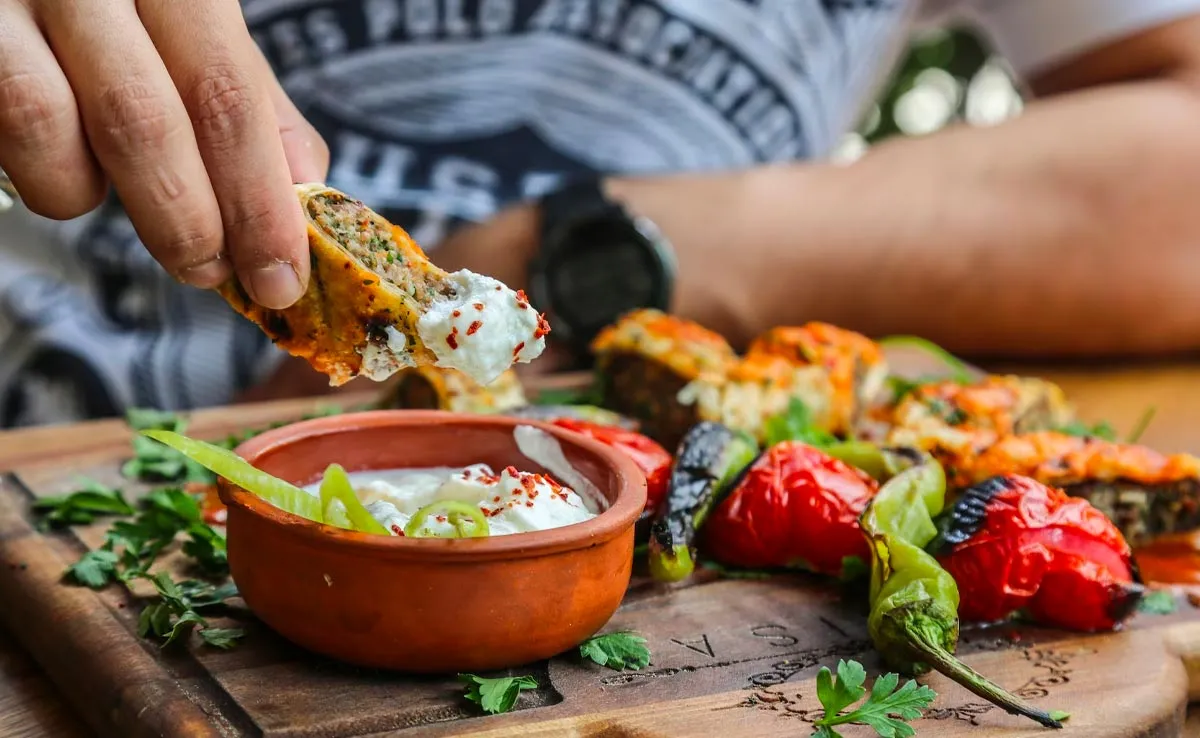
In Sheki and surrounding countryside, travelers can join local hosts to prepare traditional Azerbaijani dishes like dolma and plov. Seasonal orchards offer opportunities to taste fresh fruits straight from the trees, while small family-run kitchens invite guests to try their hand at making Sheki sweets, a fun and delicious experience for children and adults alike.
GENTLE NATURE ADVENTURES
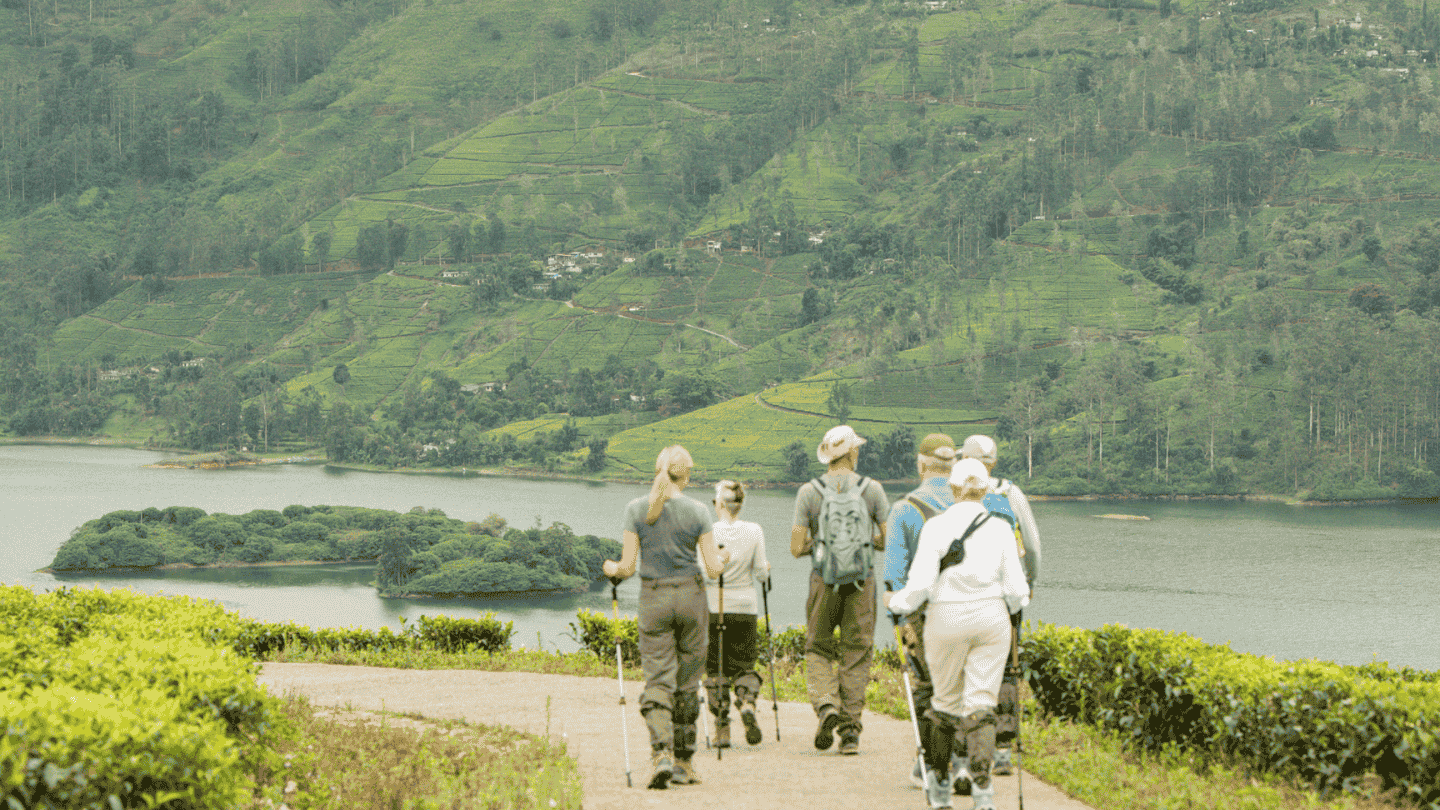
The Caucasus Mountains and nearby Guba region offer scenic cable car rides that give panoramic views of valleys and peaks. Families can enjoy short, easy hikes with picnic spots along rivers, take leisurely walks through serene countryside, and explore landscapes where children can safely play and discover nature.
CULTURAL WORKSHOPS
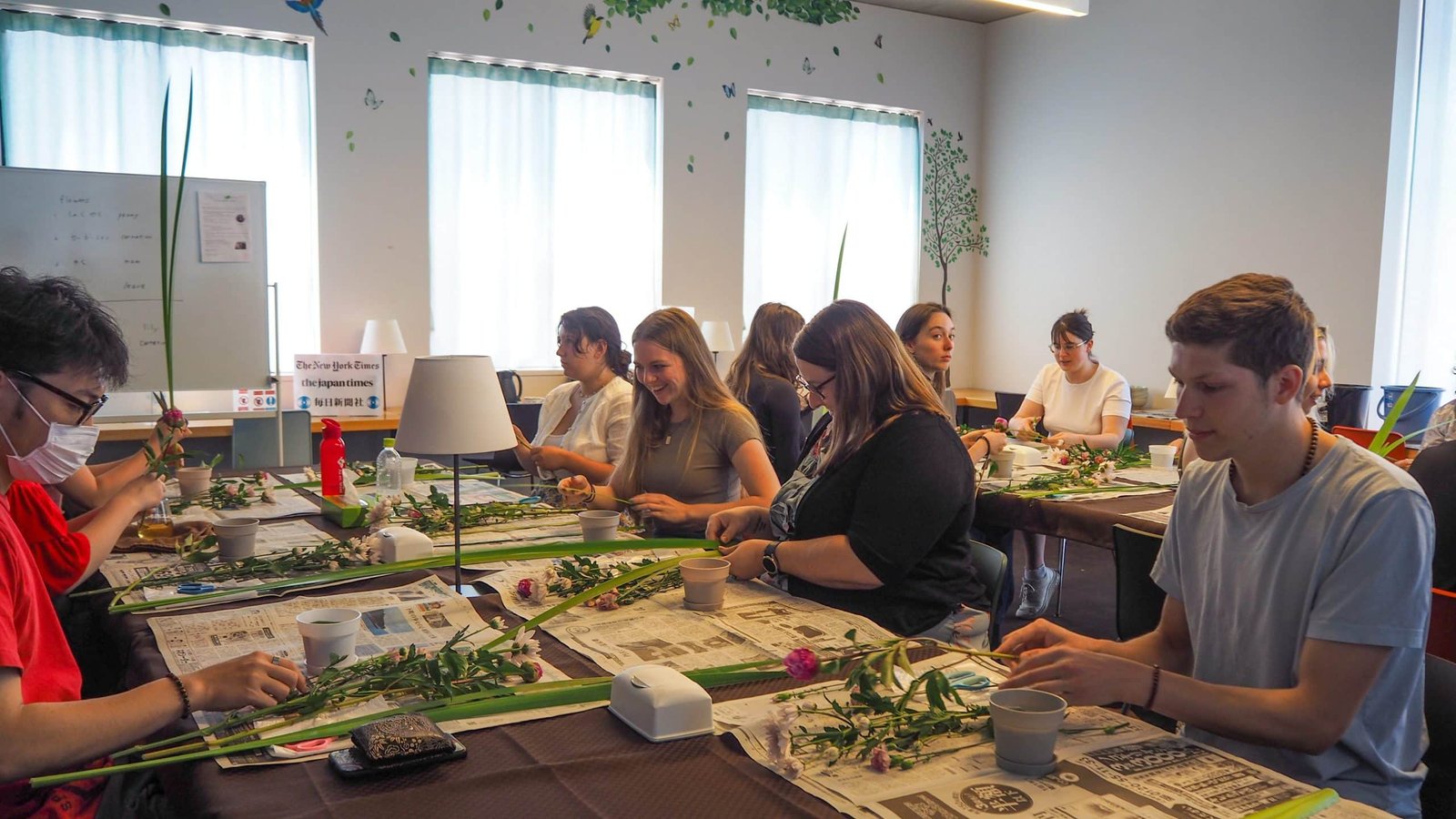
In Lahij, children and adults can try their hand at copper engraving, while in Sheki, workshops allow families to paint silk scarves or watch carpet-weaving demonstrations, learning about local arts in a hands-on, engaging way. These activities give a real sense of Azerbaijan’s rich craft traditions while creating lasting memories.
OUR EXPERIENCES FOR YOU
Full Day absheron & Baku city tour
On request
Half day or full day ski
- Caucasus Mountains
The snow season usually runs December to early April, with peak snow and best conditions often from january through march.
On request
Wine and village tour
- Shamakhi or Gabala Regions
Tour Time: Day Trip
On request
Full Day Baku city tour
On request
Write to us today and will start crafting your perfect adventure
Share with us what you love, your pace, your interests, the moments you dream of experiencing, and we’ll craft the rest. From every detail of your journey to the hidden gems off the beaten path, NOAVA makes your time in Azerbaijan personal, seamless, and unforgettable. There’s so much more to discover beyond the usual sights, and we’ll make sure every experience feels meaningful and just for you.